
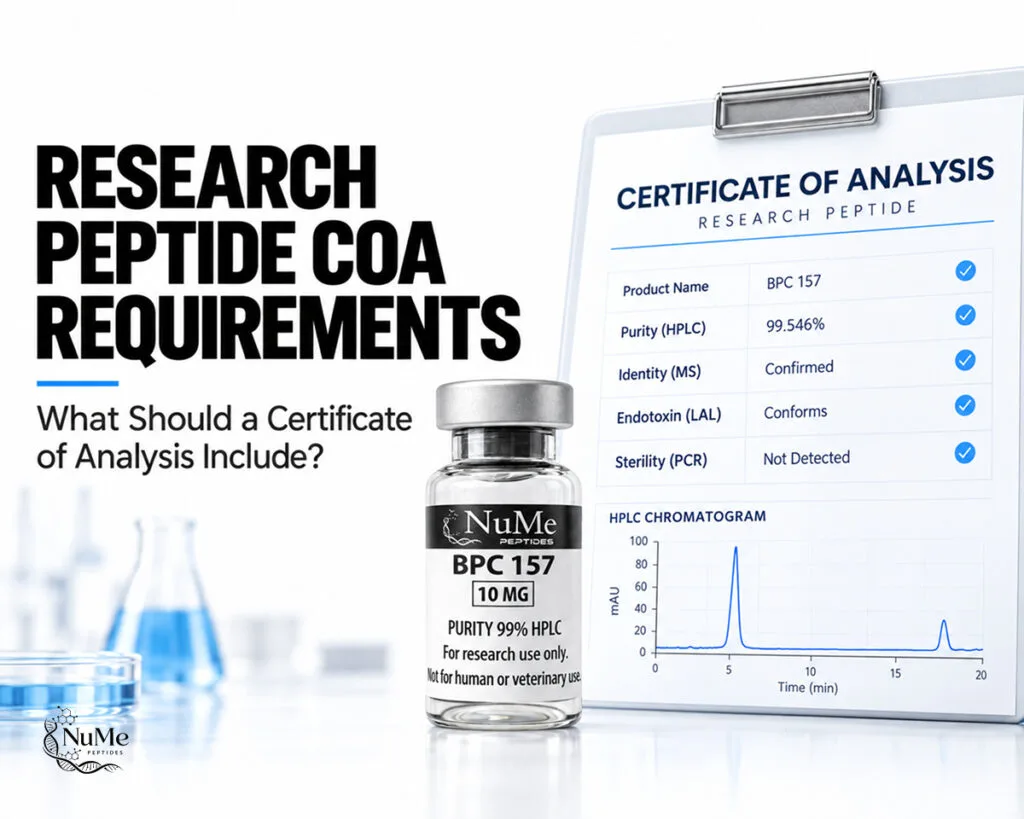
Understanding research peptide COA requirements begins with an important distinction: a Certificate of Analysis is not simply a document showing […]
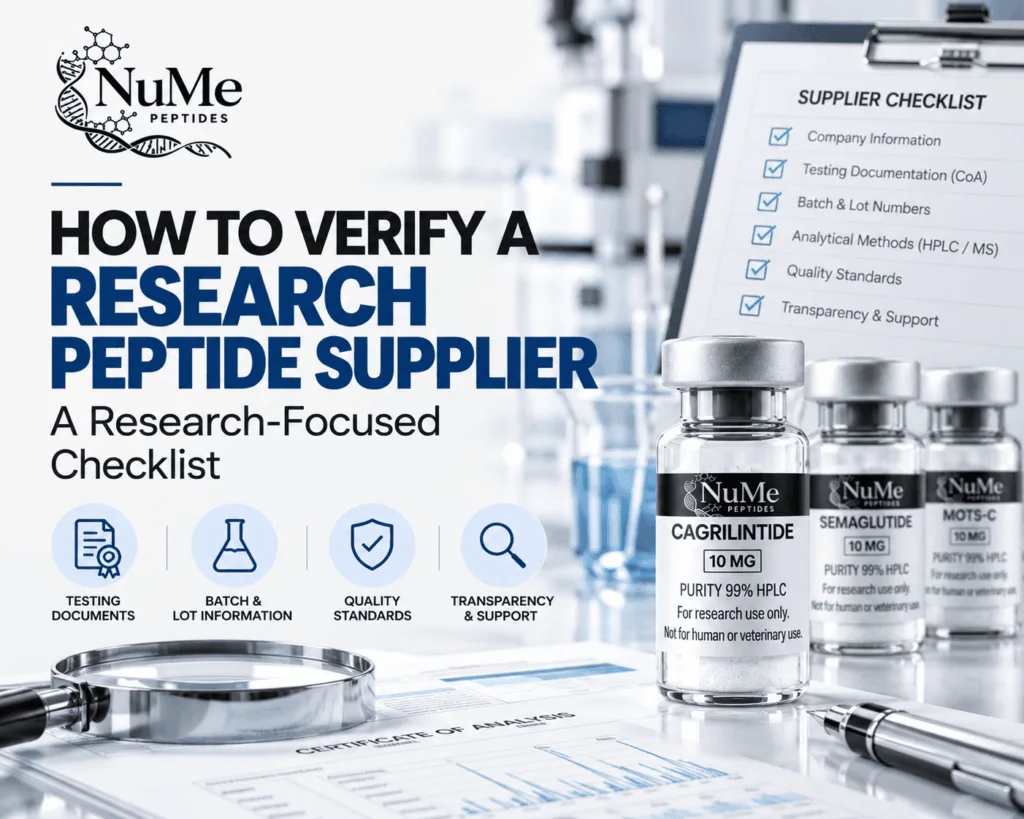
Knowing how to verify a research peptide supplier requires more than checking a purity claim or reading product-page language. For […]
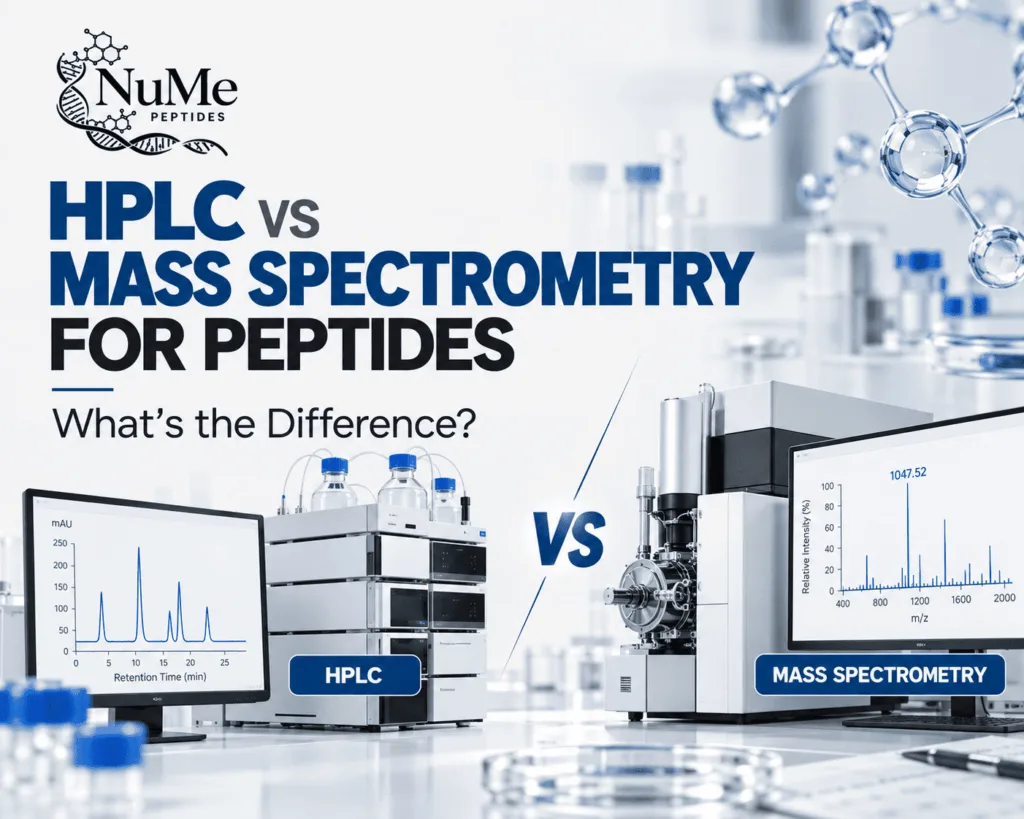
When comparing HPLC vs mass spectrometry peptides analysis, the key difference is that the two methods answer different analytical questions. […]
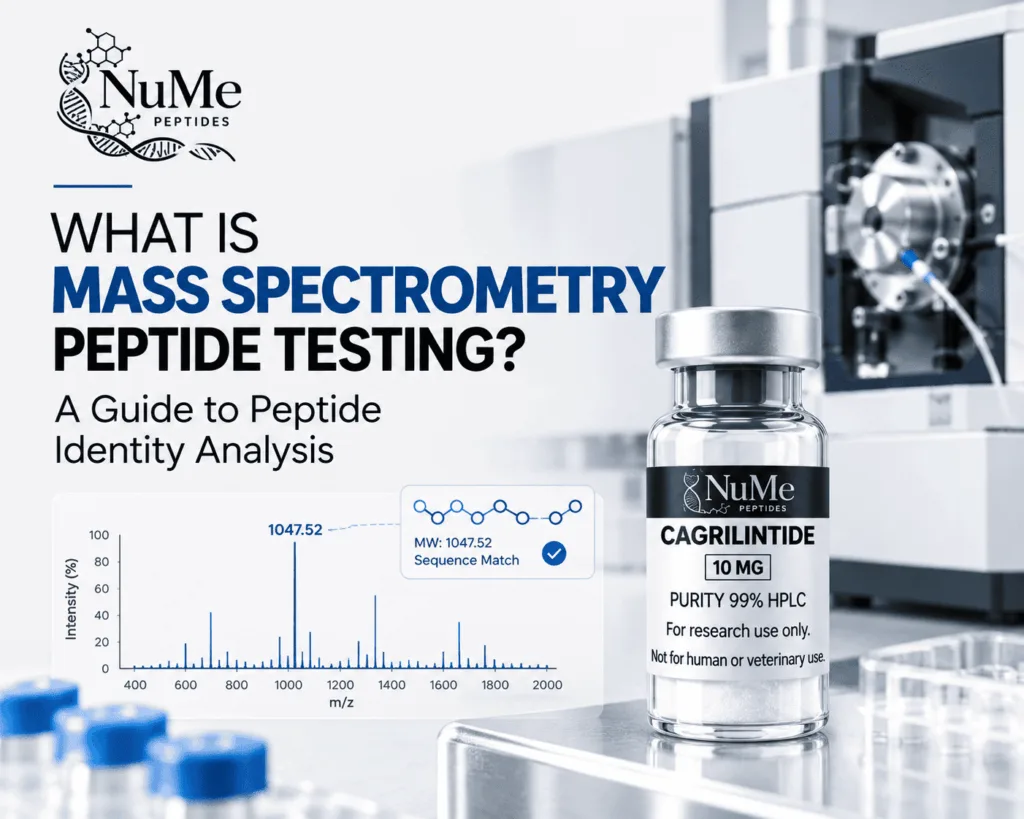
Mass spectrometry peptide testing is an important analytical approach for examining the molecular identity of synthetic research peptides. Instead of […]
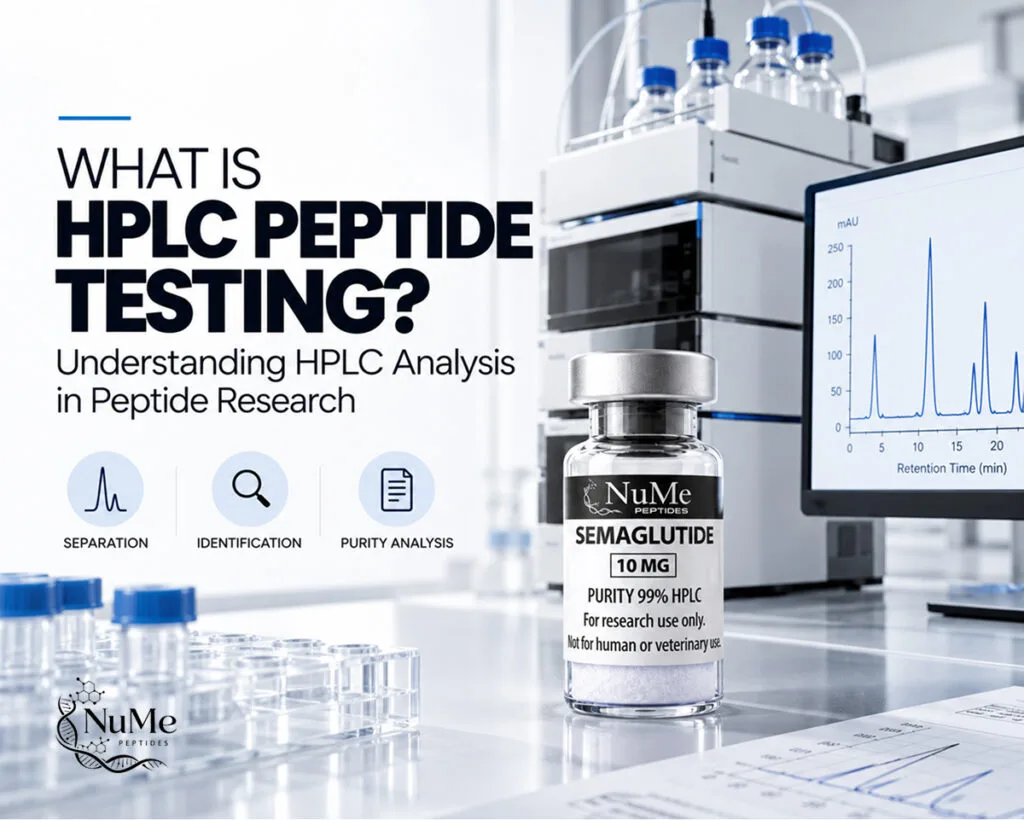
HPLC peptide testing is one of the most common analytical approaches used to examine the chromatographic composition of synthetic research […]
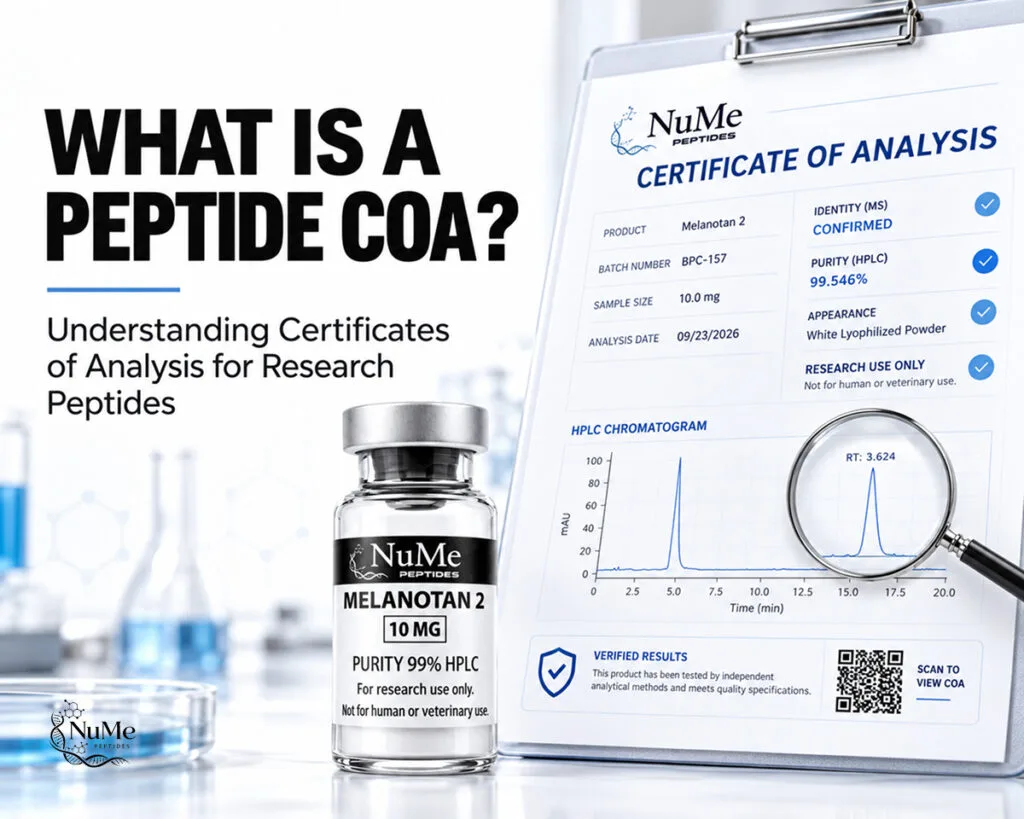
A peptide COA, or Certificate of Analysis, is one of the most useful documents researchers can review when evaluating a […]
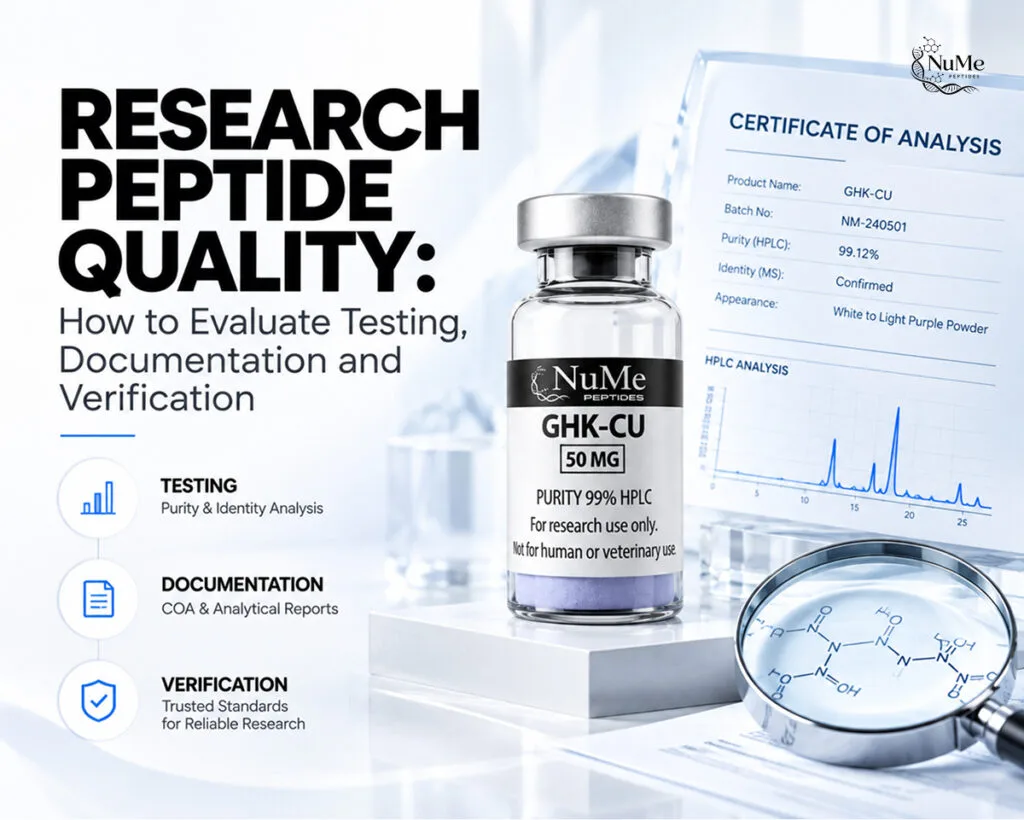
Research peptide quality cannot be judged reliably from a purity percentage alone. A sample may report high chromatographic purity while […]
The term research grade peptides appears frequently in laboratory and scientific supply contexts, but the label alone does not provide […]
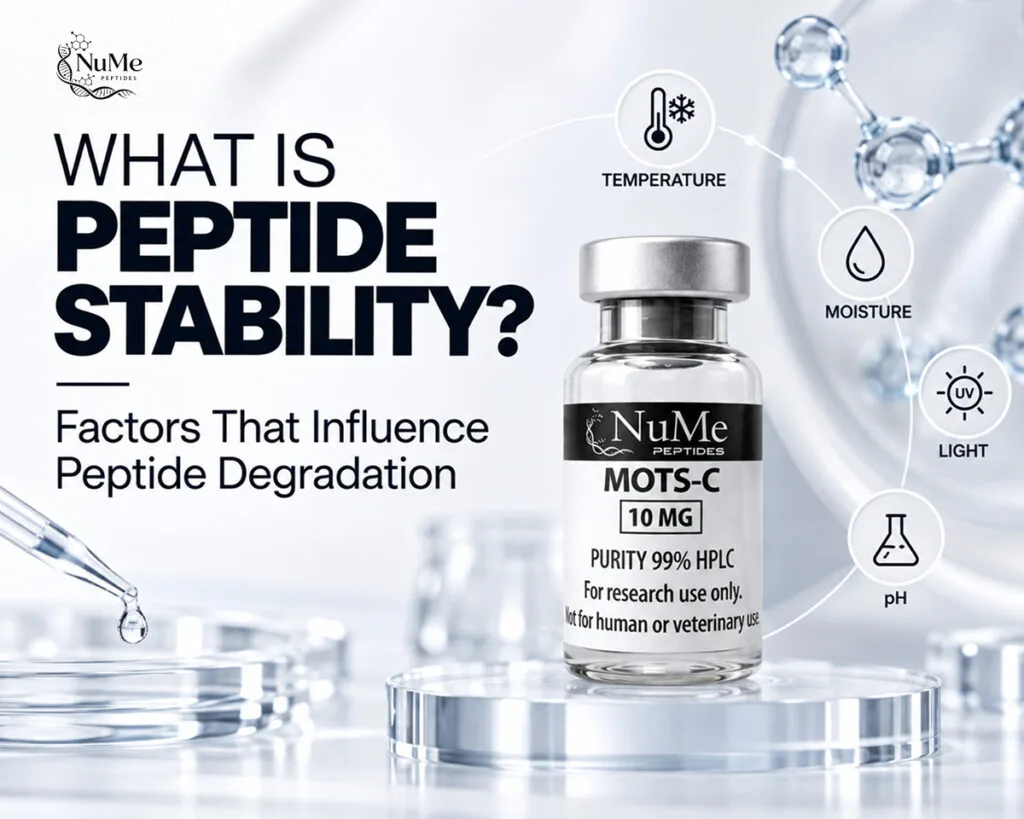
Peptides are valuable tools in laboratory research, but they are not chemically inert. During storage, transportation, preparation, and analysis, a […]
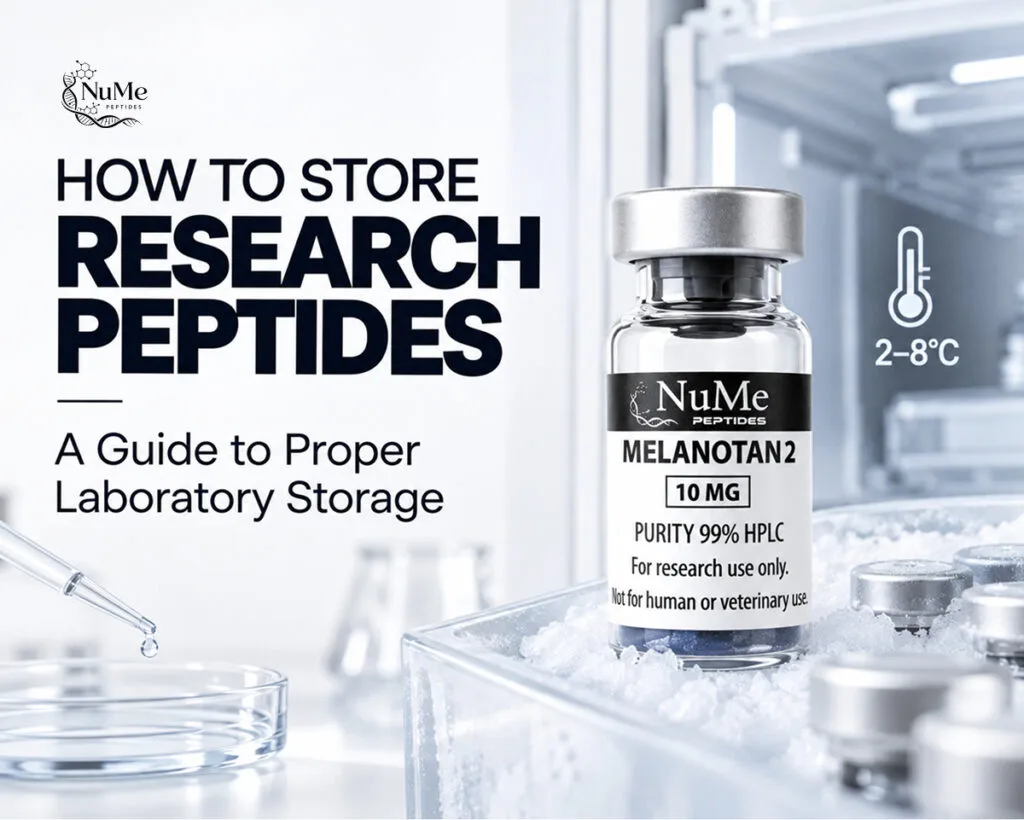
Knowing how to store research peptides is an important part of maintaining consistency in laboratory work. Peptides can undergo chemical […]